- sales@orchidmhs.com
- +91 9322487698
- +91 7028807698
- ISO 9001:2015


What Are the Maintenance Requirements for a Pneumatic Conveying System
10 Feb 2026
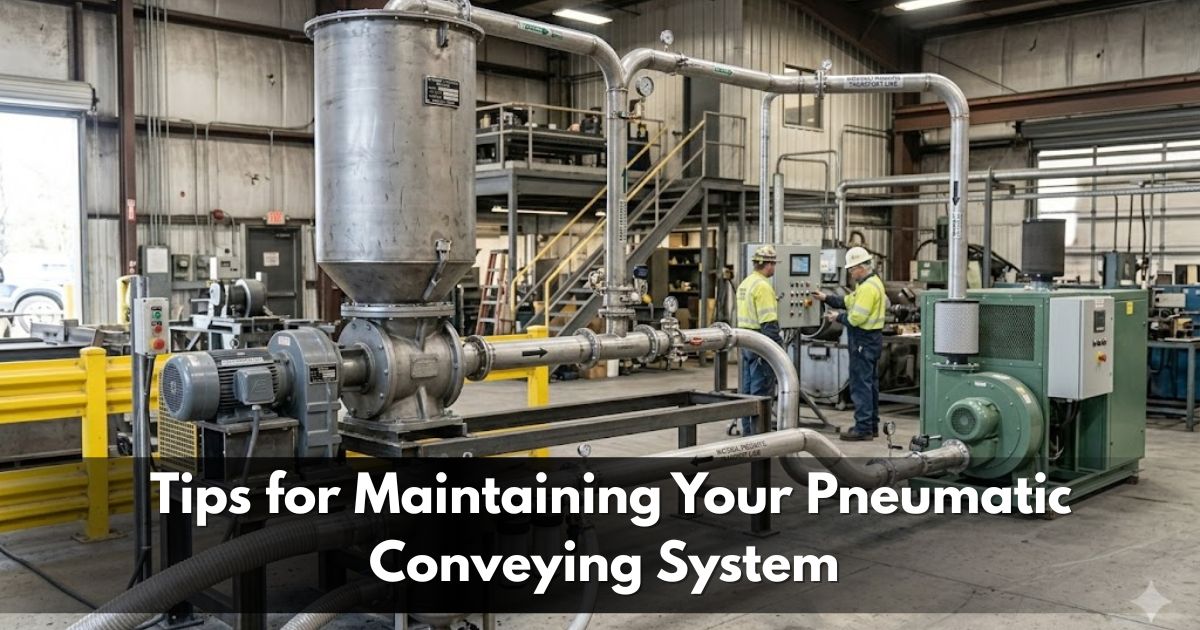
Pneumatic conveying systems are known for their enclosed design, flexibility, and ability to handle powders and bulk solids efficiently. However, like any industrial system, their performance and lifespan depend heavily on proper maintenance.
A well-maintained pneumatic conveying system delivers consistent material flow, lower downtime, reduced wear, and improved safety. Poor maintenance, on the other hand, leads to blockages, excessive energy consumption, pipeline wear, and unplanned shutdowns.
This guide explains the key maintenance requirements of pneumatic conveying systems, broken down into clear, actionable areas so operators and plant teams know exactly what to monitor and why.
Why Maintenance Is Critical in Pneumatic Conveying
Unlike mechanical conveyors, pneumatic systems rely on air velocity, pressure balance, and controlled material behavior. Small issues such as air leaks, worn bends, or clogged filters can disrupt the entire system.
Regular maintenance helps:
- Maintain stable conveying performance
- Reduce wear on pipelines and components
- Prevent material buildup and blockages
- Improve energy efficiency
- Extend system life
Because pneumatic systems are enclosed, problems are not always visible. Preventive maintenance becomes essential rather than optional.
Key Components That Require Regular Maintenance
Understanding which parts need attention helps structure an effective maintenance plan.
1. Air Supply System Maintenance
The air supply system is the heart of a pneumatic conveying setup.
What to Maintain
- Blowers, compressors, or vacuum pumps
- Air filters and intake screens
- Pressure regulators and valves
Maintenance Requirements
Air filters must be cleaned or replaced regularly to ensure clean airflow. Blocked filters reduce airflow, forcing blowers to work harder and increasing energy consumption.
Blowers and compressors should be checked for unusual noise, vibration, or overheating. Lubrication schedules must be followed as per manufacturer recommendations.
2. Pipeline Inspection and Wear Monitoring
Pipelines are exposed to continuous material flow, especially in dilute phase systems where air velocity is high.
What to Maintain
- Straight pipe sections
- Bends and elbows
- Flexible connections
Maintenance Requirements
Bends and elbows experience the highest wear and should be inspected periodically for thinning or erosion. In abrasive material applications, these areas may require more frequent checks.
Any signs of leakage, deformation, or material buildup should be addressed immediately to prevent blockages and pressure loss.
3. Feed and Discharge Equipment Maintenance
Feed devices control how material enters the pneumatic line. Poor feeding leads to unstable conveying.
What to Maintain
- Rotary airlocks
- Screw feeders
- Diverter valves
Maintenance Requirements
Rotary airlocks should be inspected for blade wear and clearances. Excessive wear allows air leakage, reducing conveying efficiency.
Seals and bearings must be checked regularly to prevent material leakage and mechanical failure.
4. Filter and Dust Collection System Maintenance
Dust collection plays a critical role in pneumatic conveying, especially at discharge points.
What to Maintain
- Filter receivers
- Filter elements
- Pulse cleaning systems
Maintenance Requirements
Filters must be cleaned or replaced based on pressure drop readings. Clogged filters restrict airflow and can cause material backup in the pipeline.
Pulse jet cleaning systems should be inspected to ensure proper operation, as ineffective cleaning shortens filter life.
5. Control and Instrumentation Checks
Modern pneumatic conveying systems rely on sensors and control logic to maintain stability.
What to Maintain
- Pressure sensors
- Flow meters
- Control panels and PLCs
Maintenance Requirements
Sensors should be calibrated periodically to ensure accurate readings. Faulty sensors can cause incorrect system responses, leading to blockages or overloading.
Control panels should be kept clean and protected from dust and moisture.
6. Material Build-Up and Blockage Prevention
Material buildup inside pipelines or receivers is a common cause of performance issues.
Maintenance Requirements
Scheduled inspections should focus on areas where material tends to accumulate, such as bends, receivers, and low-velocity zones.
For hygroscopic or sticky materials, cleaning schedules must be more frequent to prevent caking and flow restriction.
7. Energy Efficiency Monitoring
Poor maintenance often shows up as rising energy costs.
What to Monitor
- Air consumption
- Pressure loss across the system
- Blower power usage
Maintenance Requirements
Unusual increases in energy consumption usually indicate air leaks, worn components, or clogged filters. Identifying and fixing these issues early prevents long-term damage.
8. Preventive vs Reactive Maintenance Approach
A preventive maintenance strategy is strongly recommended for pneumatic conveying systems.
Preventive Maintenance Includes
- Scheduled inspections
- Component replacement before failure
- Regular cleaning and calibration
Reactive Maintenance Risks
Waiting for failures often leads to:
- Production downtime
- Emergency repairs
- Material loss
- Safety risks
Preventive maintenance reduces total operating cost and improves reliability.
Typical Maintenance Frequency Guidelines
| Component | Inspection Frequency |
| Air filters | Weekly to monthly |
| Pipelines and bends | Monthly to quarterly |
| Rotary airlocks | Monthly |
| Blowers and motors | Quarterly |
| Filters and receivers | As per pressure drop |
| Sensors and controls | Quarterly to biannually |
Actual frequency depends on material type and operating conditions.
Common Maintenance Mistakes to Avoid
- Ignoring early signs of wear or pressure loss
- Overlooking air leaks in connections
- Using incorrect replacement parts
- Skipping calibration of sensors
- Not documenting maintenance activities
Avoiding these mistakes significantly improves system performance.
Role of System Design in Maintenance Effort
Well-designed pneumatic conveying systems are easier to maintain. Proper pipe routing, wear-resistant bends, accessible components, and correct air velocities reduce maintenance frequency.
Engineering-focused providers like Orchid Material Handling design pneumatic conveying systems with maintenance access and long-term reliability in mind, not just initial performance.
Conclusion
Pneumatic conveying systems are reliable and efficient when maintained properly. Their maintenance requirements focus on air supply health, pipeline condition, feeding accuracy, dust filtration, and system monitoring.
By following a structured preventive maintenance approach, industries can minimize downtime, reduce energy consumption, and extend system life. Maintenance is not a cost burden. It is an investment in consistent performance and operational stability.