- sales@orchidmhs.com
- +91 9322487698
- +91 7028807698
- ISO 9001:2015


Best Practices for Conveyor Belt Maintenance to Extend Lifespan
04 Aug 2026
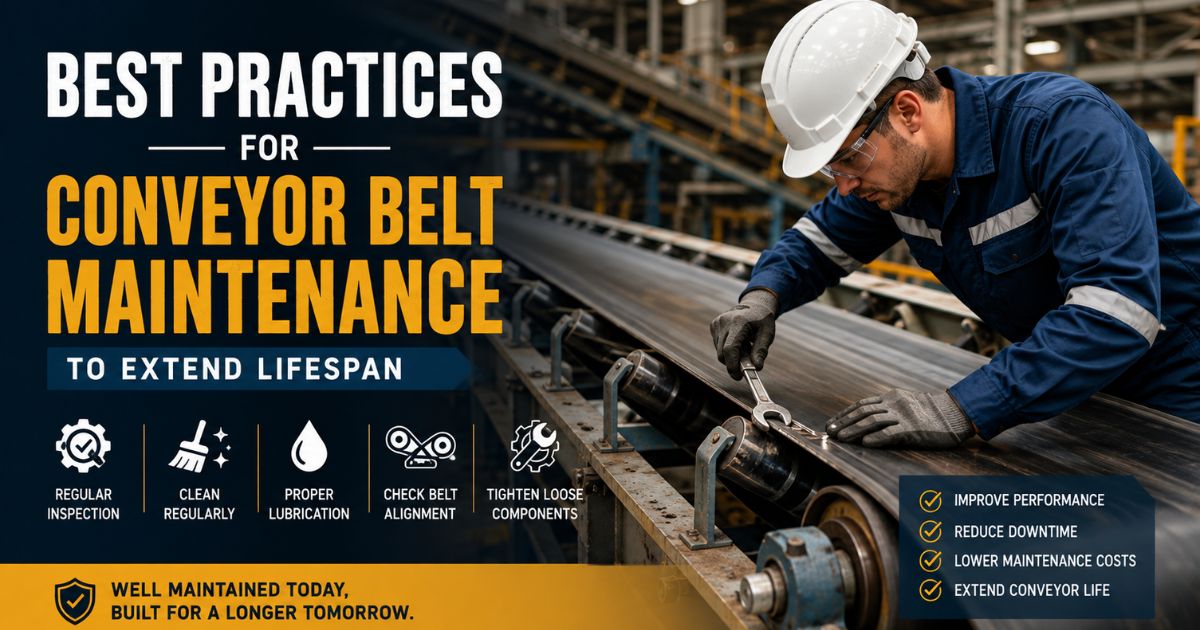
Conveyor belts are the backbone of material handling operations across industries such as manufacturing, food processing, mining, cement, pharmaceuticals, and logistics. A well-maintained conveyor belt ensures uninterrupted material flow, improves workplace safety, and reduces costly production downtime.
However, conveyor belts are constantly exposed to heavy loads, abrasion, dust, moisture, and continuous operation. Without proper maintenance, these factors can lead to premature wear, belt misalignment, component failure, and unexpected shutdowns.
Following a preventive maintenance approach helps manufacturers maximize equipment life while minimizing repair costs. At Orchid Material Handling Solutions, we design reliable Mechanical Conveyor Systems that are built for durability, but regular maintenance remains essential for achieving long-term performance.
This guide highlights the best practices every manufacturer should follow to extend the lifespan of conveyor belts.
Why Conveyor Belt Maintenance Matters
A conveyor belt is more than just a moving surface—it is part of an integrated material handling system where every component must work together efficiently. Ignoring routine maintenance can affect not only the belt but also rollers, pulleys, motors, bearings, and drive systems.
Proper maintenance helps manufacturers:
- Reduce unexpected equipment failures
- Improve production efficiency
- Lower maintenance costs
- Extend conveyor belt life
- Minimize material spillage
- Improve workplace safety
- Reduce overall operating costs
Preventive maintenance is significantly more cost-effective than repairing or replacing damaged conveyor systems after a breakdown.
10 Best Practices for Conveyor Belt Maintenance
Perform Regular Visual Inspections
Routine inspections help identify minor issues before they become major problems.
During inspections, check for:
- Belt wear
- Surface damage
- Cracks or tears
- Material buildup
- Loose fasteners
- Damaged rollers
- Pulley wear
A simple daily inspection can prevent unexpected downtime and expensive repairs.
Keep the Conveyor Belt Clean
Dust, powder, debris, and material spillage can accumulate on the belt and surrounding components over time.
Regular cleaning helps:
- Reduce belt wear
- Prevent material contamination
- Improve belt tracking
- Protect rollers and pulleys
- Maintain efficient operation
Installing belt cleaners and scheduled cleaning routines can significantly improve conveyor performance.
Ensure Proper Belt Alignment
A misaligned conveyor belt creates uneven wear and increases stress on the entire system.
Common signs of belt misalignment include:
- Belt running to one side
- Edge damage
- Uneven wear patterns
- Material spillage
- Increased roller wear
Regular alignment checks help maintain smooth and efficient operation.
Maintain Proper Belt Tension
Both over-tensioning and under-tensioning can reduce conveyor belt lifespan.
Excessive tension may:
- Stretch the belt
- Damage bearings
- Increase motor load
- Accelerate pulley wear
Insufficient tension may result in:
- Belt slippage
- Poor conveying performance
- Reduced productivity
Maintaining the recommended belt tension improves efficiency and protects conveyor components.
Inspect Rollers and Idlers Regularly
Rollers and idlers support the conveyor belt throughout its operation.
Damaged or seized rollers can create unnecessary friction, leading to:
- Belt damage
- Higher energy consumption
- Uneven belt movement
- Increased maintenance costs
Replacing worn rollers promptly prevents additional damage to the conveyor system.
Lubricate Moving Components
Bearings, pulleys, chains, and drive mechanisms require periodic lubrication to reduce friction and wear.
Using the correct lubricant at recommended intervals helps:
- Improve equipment reliability
- Reduce operating temperature
- Minimize mechanical wear
- Extend component life
Avoid over-lubrication, as it can attract dust and contaminants.
Monitor Conveyor Loading
Conveyor belts are designed to operate within specific load capacities.
Overloading the conveyor may cause:
- Belt stretching
- Premature wear
- Increased motor stress
- Material spillage
- Reduced conveyor efficiency
Maintaining consistent loading conditions improves system performance and longevity.
Replace Worn Components Before Failure
Waiting for components to fail often results in larger repair costs and production losses.
Monitor the condition of:
- Rollers
- Pulleys
- Belt cleaners
- Bearings
- Drive motors
- Conveyor belts
Planned component replacement minimizes downtime and improves operational reliability.
Train Operators on Proper Conveyor Usage
Many conveyor issues occur due to improper operation rather than equipment failure.
Operator training should include:
- Safe startup and shutdown procedures
- Load limitations
- Emergency stop procedures
- Daily inspection practices
- Reporting unusual noise or vibration
Well-trained operators help identify problems before they become critical.
Follow a Preventive Maintenance Schedule
Instead of repairing equipment only after breakdowns, manufacturers should establish a preventive maintenance program.
An effective schedule includes:
- Daily inspections
- Weekly cleaning
- Monthly alignment checks
- Quarterly lubrication
- Periodic component replacement
- Annual system performance evaluation
A structured maintenance plan improves equipment reliability while reducing long-term operating costs.
Common Signs Your Conveyor Belt Needs Maintenance
Ignoring early warning signs can lead to costly repairs and production interruptions.
Watch for:
- Belt misalignment
- Excessive noise
- Belt slippage
- Surface cracks or tears
- Material spillage
- Roller seizure
- Uneven belt wear
- Increased energy consumption
- Frequent equipment stoppages
Addressing these issues promptly helps prevent more extensive damage.
Benefits of Regular Conveyor Belt Maintenance
Consistent maintenance delivers measurable operational benefits across manufacturing facilities.
Manufacturers can expect:
- Longer conveyor belt lifespan
- Reduced maintenance expenses
- Lower production downtime
- Improved workplace safety
- Better material handling efficiency
- Reduced energy consumption
- Increased equipment reliability
- Higher overall productivity
A proactive maintenance strategy also helps maximize the return on investment for conveyor systems.
Why Choose Orchid Material Handling Solutions?
At Orchid Material Handling Solutions, we design robust Mechanical Conveyor Systems that deliver reliable performance across a wide range of industries. Our conveyors are engineered for durability, efficient material flow, and seamless integration with complete material handling solutions.
Beyond conveyor systems, we provide integrated solutions including Pneumatic Conveying Systems, Industrial Mixers, Bulk Storage Systems, Weighing & Batching Systems, Powder Handling Accessories, Bag Filling Systems, Dust Air Filtration Systems, Crushers, and Industrial Control Panels. This enables manufacturers to build efficient, automated production lines tailored to their operational requirements.
By combining high-quality engineering with preventive maintenance best practices, Orchid helps customers maximize equipment life, reduce operational costs, and improve overall plant efficiency.
Frequently Asked Questions
A visual inspection should be carried out daily, while detailed maintenance checks should follow a preventive maintenance schedule based on operating conditions and equipment usage.
Belt misalignment, improper tension, material buildup, overloaded conveyors, and neglected maintenance are among the most common causes of premature conveyor belt failure.
Regular inspections, proper cleaning, correct belt tension, alignment checks, timely replacement of worn components, and preventive maintenance all contribute to extending conveyor belt lifespan.
Proper alignment reduces uneven wear, prevents material spillage, protects rollers and pulleys, and improves the overall efficiency of the conveyor system.
Orchid Material Handling Solutions designs durable Mechanical Conveyor Systems customized to application requirements, helping manufacturers improve material handling efficiency while ensuring long-term operational reliability through engineering excellence and integrated system solutions.