- sales@orchidmhs.com
- +91 9322487698
- +91 7028807698
- ISO 9001:2015



Send us a message to get a call back.
Mixers & Blenders – Choosing the Right Equipment for Your Industry
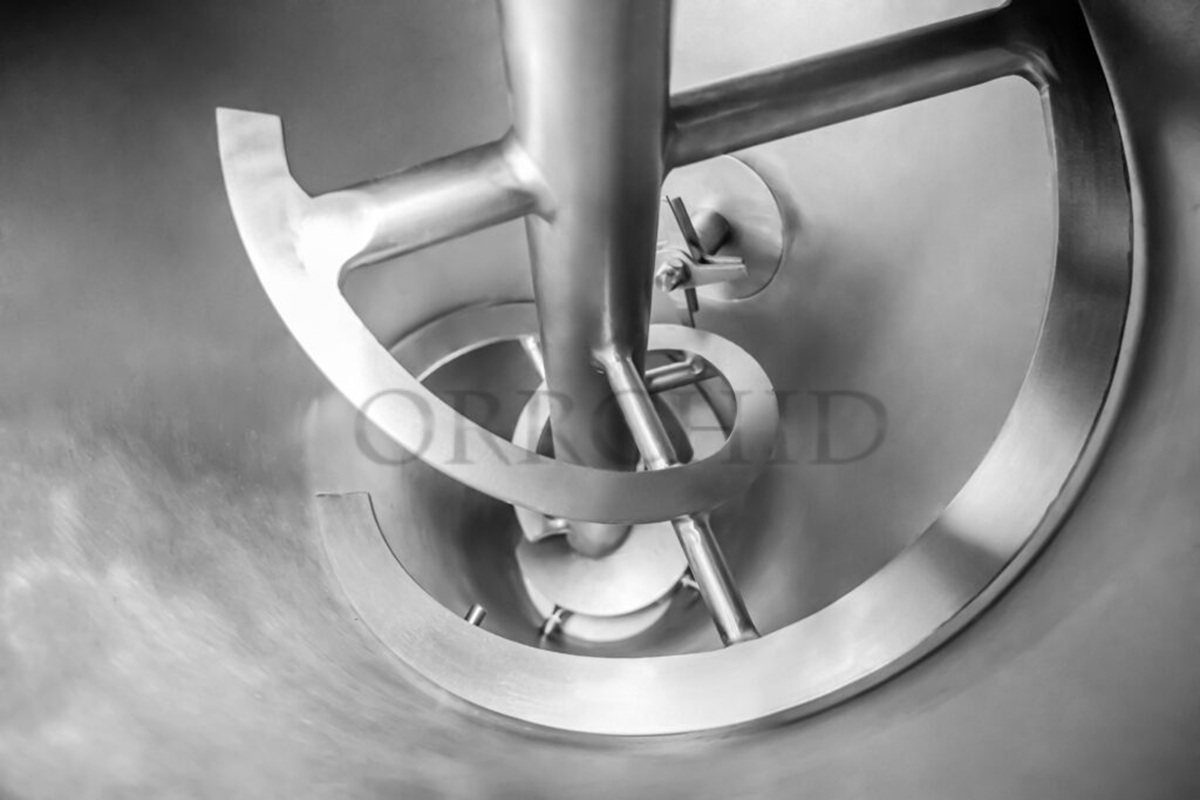
Industrial Mixers & Blenders | How to Choose the Right Equipment
Confused between ribbon, paddle, plough shear, or cone blenders? Discover pros, cons, and industry applications in this detailed buyer’s guide.
Introduction
Mixing and blending are core processes in industries like pharmaceuticals, food, chemicals, and construction. But with so many options – ribbon blenders, paddle mixers, plough shear mixers, double cone blenders, V-blenders, and more – choosing the right equipment can feel overwhelming.
Each type of mixer works differently, delivers specific results, and fits certain materials better. This guide will help you understand the key types of mixers, their advantages and limitations, and how to decide which one suits your industry.
Types of Industrial Mixers & Blenders
- Ribbon Blender
- How It Works: Uses helical ribbons rotating inside a U-shaped trough to move material both radially and laterally.
- Pros: Gentle mixing, large capacities, cost-effective.
- Cons: Not ideal for very sticky or heat-sensitive materials.
- Best For: Food powders, pharmaceuticals, nutraceuticals, chemicals.
- Paddle Mixer
- How It Works: Uses paddles that lift and tumble material in random directions.
- Pros: Faster mixing than ribbon, can handle fragile products without degradation.
- Cons: Higher power consumption than ribbon.
- Best For: Moist materials, fragile granules, animal feed, food ingredients.
- Plough Shear Mixer
- How It Works: High-energy ploughs push materials into a fluidized mixing zone; often with choppers for lump breaking.
- Pros: Very fast and intensive mixing, good for cohesive or sticky powders.
- Cons: Higher cost, more complex design.
- Best For: Chemicals, fertilizers, polymers, specialty powders.
- Double Cone Blender
- How It Works: A rotating double-cone tumbles powders gently without shear.
- Pros: Simple, low-energy, minimal product degradation.
- Cons: Longer mixing time, not suitable for liquids.
- Best For: Pharmaceuticals, nutraceuticals, dry powders with free-flowing properties.
- V-Blender
- How It Works: Powders split and recombine as the “V” rotates, ensuring uniform blending.
- Pros: Uniform blending with minimal shear, easy cleaning.
- Cons: Lower capacity, longer cycle time.
- Best For: Pharma and nutraceutical ingredients in small to medium batches.
- Conical Screw Mixer
- How It Works: A screw rotates along the wall of a conical vessel, lifting product upward while gravity pulls it down.
- Pros: Excellent for fragile materials, can handle large capacity, very low power.
- Cons: Higher equipment cost.
- Best For: Specialty chemicals, fragile powders, heat-sensitive products.
How to Choose the Right Mixer for Your Industry
- Material Properties: Is it fragile, sticky, or free-flowing?
- Batch Size: Large-scale production or small precision batches?
- Mixing Intensity Needed: Gentle blending or high-shear mixing?
- Hygiene Requirements: Is GMP compliance needed for pharma/food?
- Budget & Energy Use: Initial investment vs long-term operating cost.
Buyer’s Tip
- If your process requires gentle mixing → choose Ribbon, V, or Double Cone Blender.
- If you need fast, intensive mixing → go for Plough Shear or Paddle Mixer.
- If handling fragile or specialty materials → Conical Screw Mixer is the best.
Conclusion
The right mixer can make the difference between consistent, high-quality batches and production bottlenecks.
👉 At Orchid, we provide a full range of industrial mixers, helping you choose and customize equipment based on your process, industry, and material needs. Because in mixing, one size never fits all.