- sales@orchidmhs.com
- +91 9322487698
- +91 7028807698
- ISO 9001:2015



Send us a message to get a call back.
Pneumatic Conveying vs Mechanical Conveying system
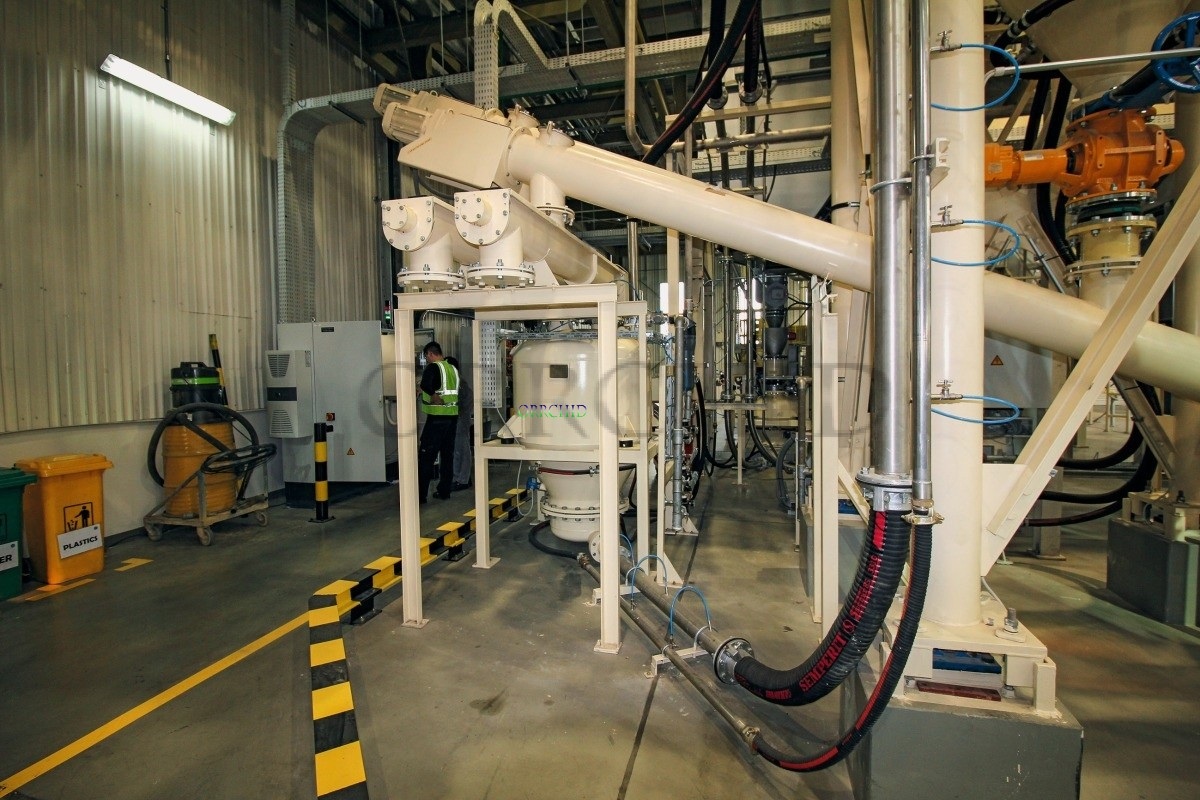
Pneumatic Conveying vs Mechanical Conveying | Bulk Solids Handling Guide
Confused between pneumatic and mechanical conveying? Discover the pros, cons, and key differences to choose the right bulk material handling system.
Introduction:
If you’ve ever been inside a plant where powders and bulk solids are being moved, you’ll know it’s not as simple as transferring material from point A to point B. Behind the scenes, there are challenges that affect product quality, operator safety, and overall efficiency.
One of the biggest decisions plant managers face is: Should we use pneumatic conveying or mechanical conveying? The choice isn’t just about equipment – it directly impacts energy use, hygiene, and long-term reliability.
Let’s dive into how these two methods differ and what factors should guide your decision.
The Real Challenges in Material Transfer
- Dust Control & Hygiene – Powders like flour, starch, sugar, or APIs can easily escape if not contained.
- Plant Layout & Flexibility – Mechanical conveyors need more straight space; pneumatic pipelines bend easily.
- Operator Effort & Maintenance – Mechanical has more moving parts; pneumatic needs higher energy optimization.
Why the Choice of Conveying Method Matters
- Frequent breakdowns and downtime
- Energy wastage
- Cross-contamination or product loss
- Higher maintenance costs
Pneumatic Conveying – When It Works Best
- Dust-Free Transfer
- Flexible routing
- Automation ready
- Hygienic for pharma/food
⚠️ Limitation: Higher energy consumption, not suitable for very coarse or sticky materials.
Mechanical Conveying – Where It Excels
- Lower energy cost (short, straight routes)
- Heavy-duty capacity
- Simple operation
⚠️ Limitation: Dust spillage, contamination, higher cleaning needs, less flexibility in plant layouts.
The Bigger Picture – Choosing Smart
- Go Pneumatic if you need hygiene + flexible layouts
- Go Mechanical if you need heavy-duty + energy efficiency
Many modern plants even adopt a hybrid approach – mechanical conveyors for heavy, short transfers and pneumatic systems for long, dust-free movement.
Conclusion:
The right conveying method can make or break your plant’s efficiency. Both pneumatic and mechanical systems have their place, but the key lies in understanding your material properties, plant layout, and production goals.
👉 At Orchid, we specialize in designing custom conveying systems – pneumatic, mechanical, or hybrid – tailored to your industry needs.