- sales@orchidmhs.com
- +91 9322487698
- +91 7028807698
- ISO 9001:2015


Troubleshooting Tips for Dilute Phase Conveying Systems
06 Jun 2026
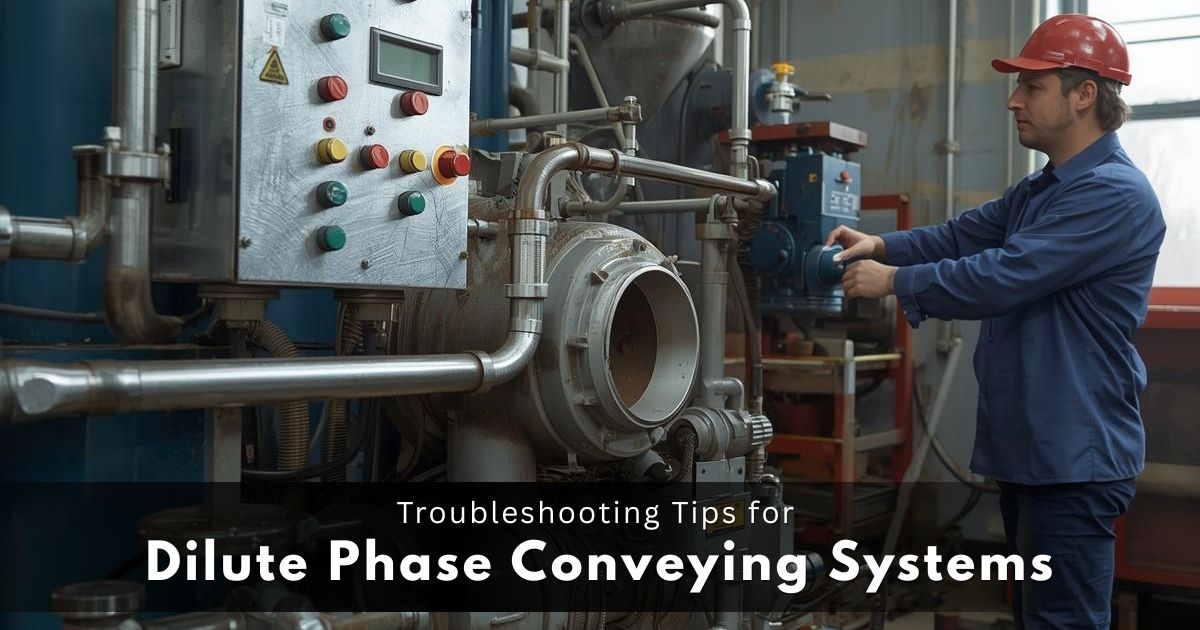
We Orchid Material Handling Solutions Pvt. Ltd manufacture Dilute phase conveying systems are widely used in industries. These dilute phase conveying systems are engineered at our works with the expertise & help of latest 3d software with a focus on smooth material flow, reduced wear, efficient dust handling, and long-term operational reliability across industrial applications.
It is used to transport powders and granular materials through pipelines using high-velocity air streams. When the system operates correctly, materials move smoothly across the plant with minimal manual handling.
However, issues such as pipeline wear, material degradation, blockages, airflow imbalance, and dust formation can affect system performance over time.
Instead of stopping production to investigate major failures, operators can follow practical troubleshooting steps to quickly identify the root cause and restore stable conveying conditions.
Below are some practical solutions and maintenance tips for common dilute phase conveying challenges.
1. Reducing Pipeline Wear and Erosion
Pipeline wear is one of the most common maintenance issues in dilute phase conveying systems. Orchid notice, The problem usually develops near elbows, bends, and directional change points where high-velocity particles continuously strike the pipe surface.
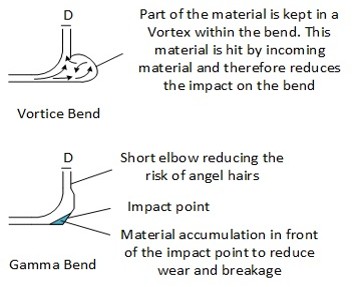
This issue becomes more noticeable while handling abrasive materials such as cement, fly ash, silica, minerals powders. Orchids introduce vortice & gamma type bends for highly abrasive material.
What to Check
- excessive wear near bends and elbows
- pressure drop across the conveying line
- leakage from worn-out pipeline sections
- conveying velocity levels
Possible Solutions
- replace short-radius elbows with long-radius bends
- install wear-resistant liners in high-impact areas
- optimize conveying velocity
- reduce unnecessary directional changes in pipelines
Maintenance Tip
Regular inspection of bends and elbows helps identify erosion at an early stage and prevents unexpected pipeline failure during operation.
2. Preventing Material Degradation
In many conveying systems, fragile materials start degrading long before operators notice visible production issues. Excessive conveying velocity and continuous particle impact gradually affect product consistency during transfer.
Fragile granules, food ingredients, plastic pellets, and specialty powders are generally more sensitive to aggressive conveying conditions.
What to Check
- particle breakage in discharged material
- excessive dust generation
- conveying velocity levels
- inconsistent product quality
Possible Solutions based on the Orchid experience
- reduce conveying velocity where possible
- maintain smoother pipeline transitions
- optimize air-to-material ratio
- avoid excessive turbulence inside the conveying line
Maintenance Tip
Monitoring conveyed material quality regularly helps identify degradation issues before they affect downstream processing or final product consistency.
3. Clearing and Preventing Pipeline Blockages
Pipeline blockages generally occur when airflow becomes insufficient to keep materials suspended throughout the conveying line.The Orchid material handling provides guidelines of proper selection blower & required air flow based on the material. You can consult us about your requirements. We will guide you based on material & other characteristics.
If airflow drops below the required suspension velocity, particles begin settling inside bends and horizontal sections. Over time, this buildup starts restricting smooth material flow and eventually leads to choking inside the pipeline.
What to Check
- conveying pressure and airflow levels
- material feed consistency
- moisture content in powders
- buildup inside bends and pipelines
Possible Solutions
- maintain proper suspension velocity
- ensure consistent material feeding
- avoid conveying damp or sticky materials
- inspect pipelines regularly for buildup
Maintenance Tip
Routine inspection of feeders, bends, and conveying lines helps prevent material accumulation and improves conveying stability.
4. Managing Airflow Imbalance and Pressure Fluctuation
Stable airflow is critical for efficient dilute phase conveying performance. Any imbalance in airflow directly affects material suspension and creates unstable conveying conditions inside the pipeline.
This often results in inconsistent conveying, pressure fluctuations, uneven material discharge, and recurring choking issues.
What to Check
- blower performance
- airflow consistency
- sudden pressure variations
- leakage in pipeline joints
Possible Solutions
- optimize airflow settings
- repair air leakage points
- maintain balanced conveying pressure
- ensure blowers are correctly sized for the application
Maintenance Tip
Regular monitoring of airflow and pressure readings helps maintain smooth conveying conditions and reduces unnecessary stress on the system.
5. Controlling Dust Generation and Leakage
High-speed conveying can generate fine dust particles, especially while handling powders and fragile materials. If dust handling is not properly controlled, it gradually affects plant cleanliness, product quality, and workplace safety.
In many industries, dust leakage is commonly observed near transfer points, filtration units, and rotary airlocks.
What to Check
- dust collectors and filtration systems
- condition of filter bags and cartridges
- leakage near transfer points
- excessive material breakdown
Possible Solutions
- maintain efficient dust collection systems
- inspect and clean filters regularly
- improve sealing near joints and transfer points
- reduce excessive conveying velocity where required
Maintenance Tip
Regular cleaning and inspection of filtration systems help maintain cleaner, safer, and more efficient conveying operations.
6. Maintaining Stable Material Feeding
Uneven material feeding creates unstable conveying conditions and directly affects overall system efficiency.
When feeding becomes inconsistent, the conveying line experiences pressure imbalance, irregular airflow behavior, and fluctuating material movement inside the pipeline.
What to Check
- feeder performance
- rotary airlock condition
- material flow consistency
- overloading in the system
Possible Solutions
- maintain uniform material loading
- inspect feeders regularly
- avoid overfeeding the conveying line
- synchronize airflow with feed rate
Maintenance Tip
Stable feeding conditions help maintain balanced airflow and improve long-term conveying reliability.
Related Resource: Before implementing troubleshooting measures, it’s important to understand the common issues that affect dilute phase conveying performance. Read our guide on Common Problems with Dilute Phase Conveying Systems to learn more.
Final Thoughts
In most dilute phase conveying systems, operational issues develop gradually rather than suddenly. Problems such as wear, blockages, pressure fluctuation, dust generation, and material degradation usually begin with small changes in airflow balance, conveying velocity, or feeding conditions.
Regular inspection, airflow optimization, and timely corrective actions help industries maintain stable conveying performance while reducing unexpected downtime and maintenance dependency.
As a dilute phase conveying system Manufacturer, We Orchid Material Handling Solutions Pvt. Ltd., are engineered with careful attention to airflow dynamics, pipeline design, and material handling behavior to ensure efficient and dependable bulk material handling across industrial facilities.
You can connect with us for your queries. Mail id – sales@orchidmhs.com | Website – https://www.orchidmaterialhandling.com/contact-us/ | contact no. +91 9322487698 | Social– facebook, linkedin
FAQs
Blockages usually occur due to insufficient airflow, inconsistent feeding, moisture in materials, or improper conveying velocity.
Using long-radius bends, wear-resistant liners, and optimized conveying velocity helps reduce pipeline wear.
Excessive conveying velocity and particle impact inside pipelines can damage fragile materials during transfer.
Maintaining balanced airflow, repairing air leaks, and optimizing blower performance help improve energy efficiency.
Preventive maintenance helps reduce downtime, improve conveying stability, and identify operational issues before they become major failures.